“I’ve Got a Lead for You”: A Story of Tragedy, Connection, and the Main Stage
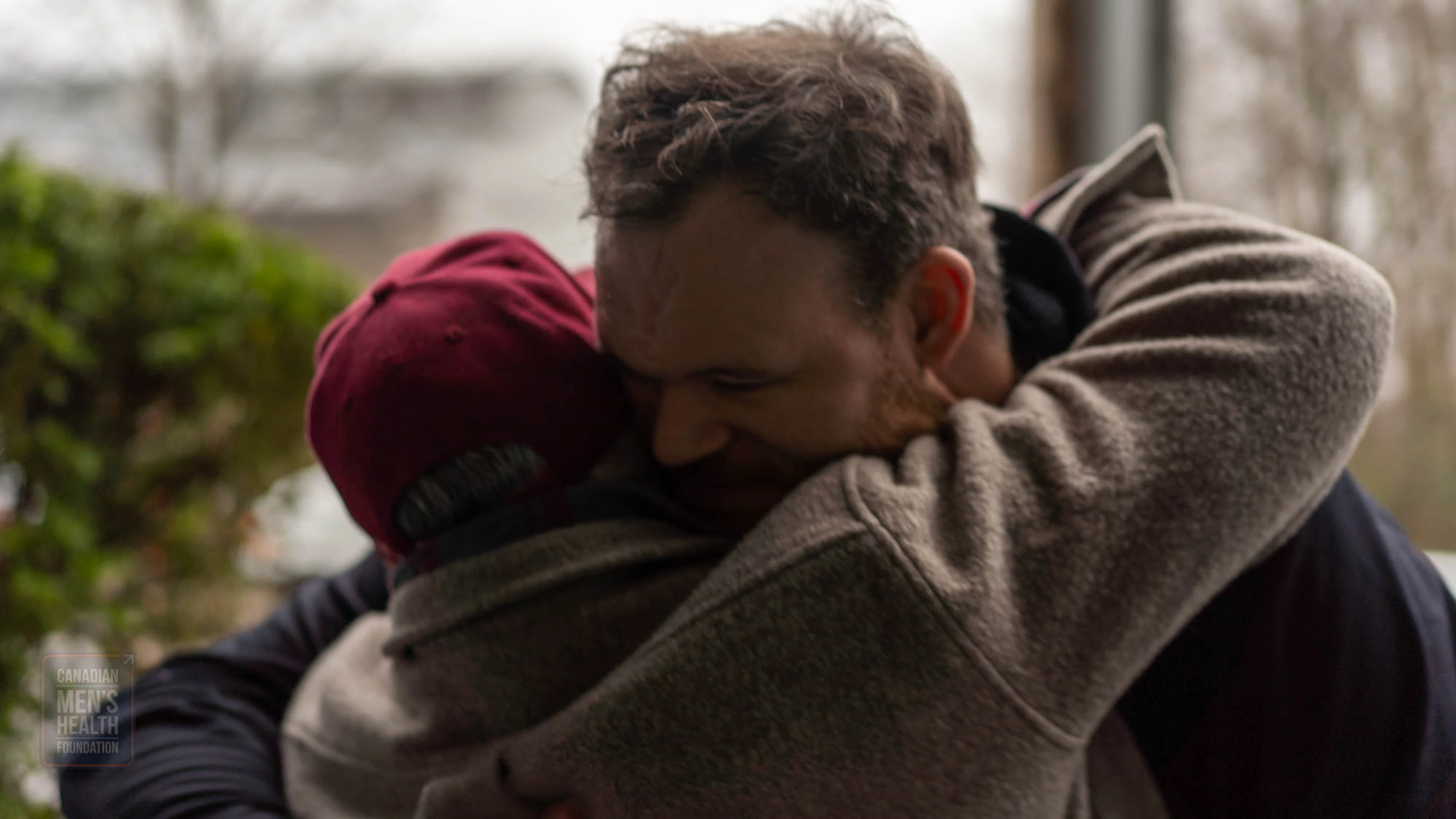
Why the future of gathering isn’t about what attendees know, but who they become to one another.
Note: All stories are shared with permission.
Note: References and resources are at the bottom of the article.
A 2025 study from the University of Georgia and BYU (published in Social Psychological and Personality Science) found that while live events significantly boost social connection and combat loneliness, the feeling typically vanishes within 24 hours.
Deloitte research shows 79% of employees view events as the primary driver of company culture. The “why” behind events needs to shift from content to community.
As an event organizer, the question that needs to be asked is: Are we designing this event for information transfer? Information is ubiquitous and digitizes easily. It is no longer a strong enough reason to get people excited about events.
Information transfer is a commodity; emotional resonance is a rarity that actually sticks; Sadly, it is often not the organizer’s primary focus. The role of the keynote speaker in 2026 needs to shift from being a subject matter expert to a relational architect.
I had a great example of this at an event I spoke at recently. When my speech ended, a man came up to me. He clearly wanted to share something and waited for other attendees to finish their conversations with me. When I turned my attention to him, he immediately said, “I’ve got a lead for you.”
I cocked an eye as my face lit up with a combination of excitement and intrigue.
“Oh?” I said.
In a professional, clipped tone, he said, “Yes, you need to talk to the RCMP. They need support for their members and their emotional well-being.”
Not the first time I have heard this, so I wholeheartedly agreed. He told me that his son was a member. We chatted for a minute or two about the deep need for more emotional connection in many of the front-line services. As we were about to disengage, he looked at me with tears in his eyes and shared that his son had died by suicide three years earlier.
Tears welled up in my eyes and my heart was stuck in my throat. I held his gaze with warmth and tenderness for a minute. After a beat, I simply thanked him for sharing his son with me. He walked away, and my resolve doubled. This message matters.
I’ve experienced my version of tragedy, and I often wonder at what point some kind of deep human connection might have changed the course of someone’s path. What intervention, what kind of word might have made the difference? We don’t always get to choose the circumstances that life throws our way; however, we always get to choose how we respond to those circumstances.
I realized at that moment that the choices I made in the face of tragedy helped to set the table for others who are struggling to dine. The value is not in the 60-minute keynote. The value is the depth of connection that 60 minutes triggers for the next few days, weeks, and months. This is just one example of many stories that I hear after a keynote.
A powerful keynote should leave the audience thinking more than just “wow, that person knows a lot.” A truly impactful keynote leaves the audience saying, “Thank God, I’m not alone.” In order to deliver a keynote that lasts beyond the stage, we need to give the audience a shared language that they can take with them when they leave.
The connection created that day does not happen at a virtual conference or webinar. That kind of connection does not happen by sharing statistics from the stage. Connection like that only happens when we create an environment where audiences feel safe to be witnessed in their full humanity.
While AI can curate information and even simulate empathy (so can a psychopath, by the way), it cannot witness a father’s grief in a conference hallway. It cannot hold a gaze with warmth and tenderness. That is the in-person premium that transforms events. The research shows that active participation (like the kind triggered by an evocative keynote) is 34 times more likely to create a lasting bond.
If you want to design an event that lasts longer than 24 hours, stop asking ‘What do they need to know?’ and start asking ‘Who do they need to become to one another?’ Information fades, but being witnessed endures.
Further Reading & Resources
- Show, connect, repeat: How live events fight loneliness: A deep dive into the 2025 UGA/BYU research on why active participation is a 34x stronger predictor of connection than passive listening.
- The Events 4 Connection Toolkit: A practical resource for event organizers looking to bridge the “24-hour decay” and design for lasting social impact.
- Deloitte: Integrating Trust Into Corporate Culture: Deloitte’s latest research on the shift toward “Human Sustainability” and why in-person gathering is the primary driver of modern company culture.
- Social Psychological and Personality Science: The official peer-reviewed publication of the longitudinal study on social connection at live events (March 2025).
I’m currently opening my 2026-2027 calendar for keynote partnerships that prioritize this ‘In-Person Premium.’ If you’re designing an event where connection is the top ROI, let’s talk.